 ROLAND-GARROS
17 May - 6 June 2027
ROLAND-GARROS
17 May - 6 June 2027


Match report
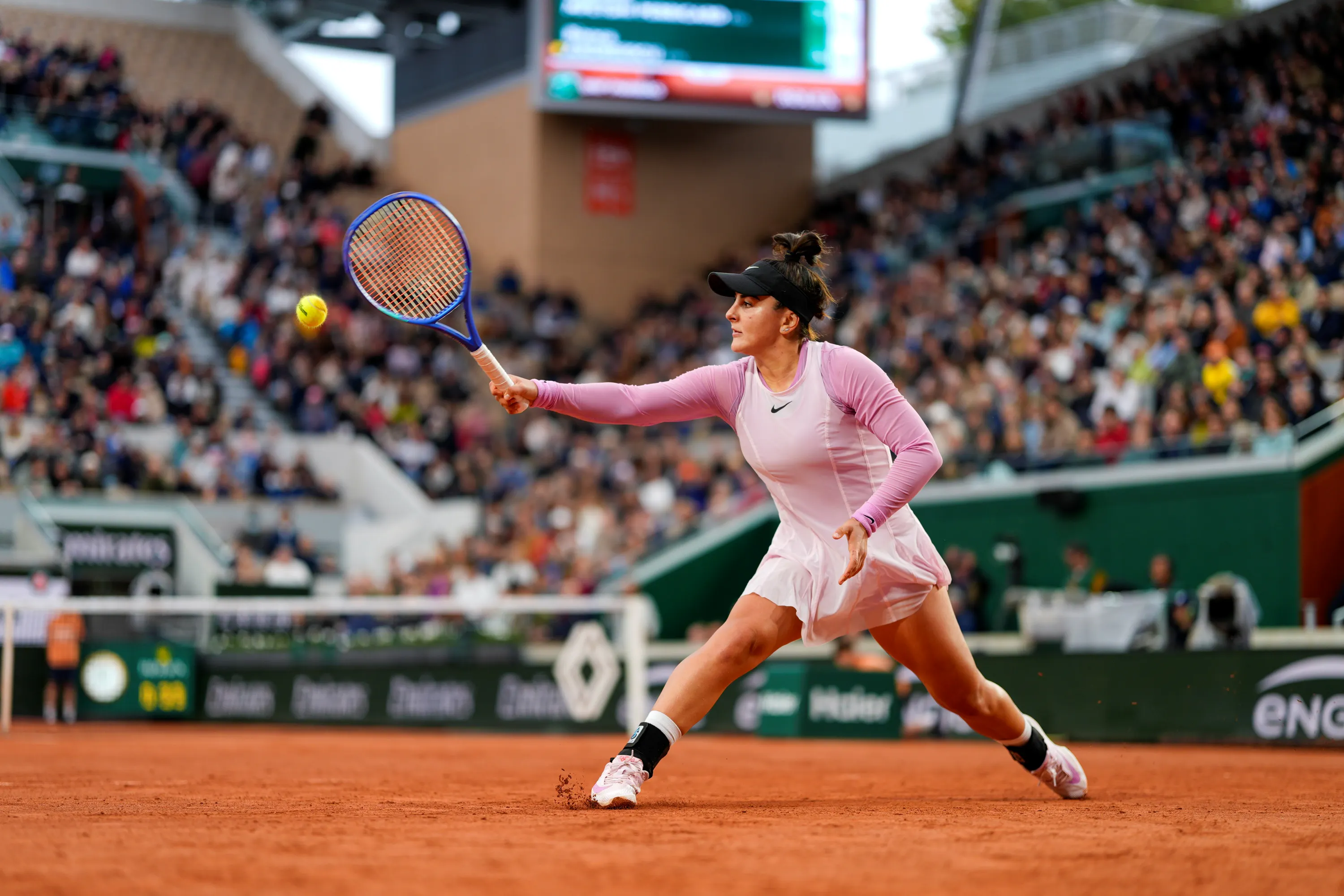
Andreescu passes first Paris test
Emilio Navo plays like a house on fire, but he's also learning to tap into his inner ice
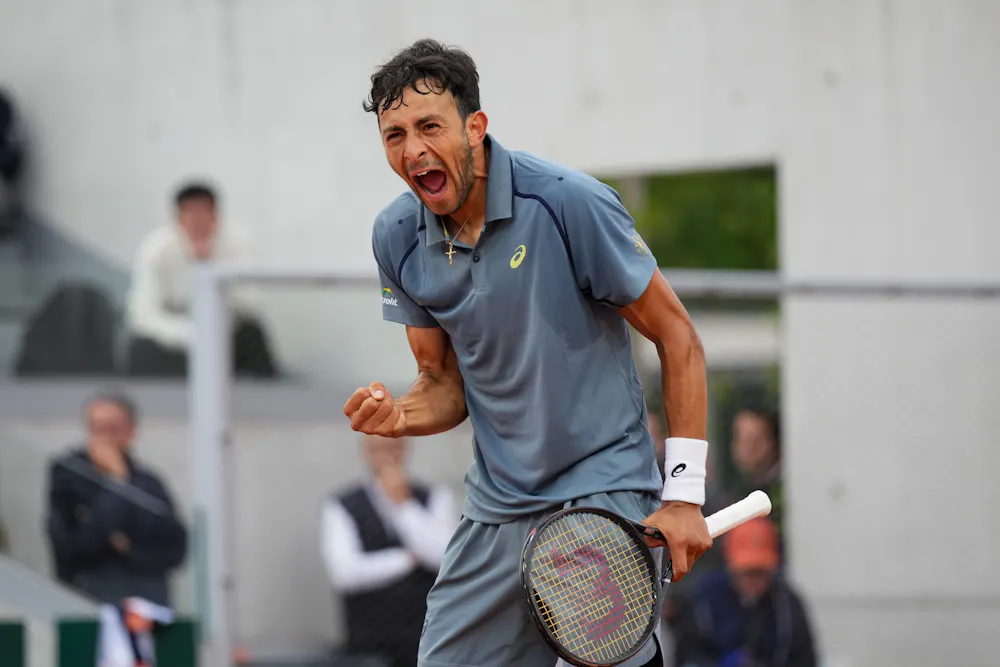
As a junior, Emilio Nava reached a career-high ranking of No.5 in the world in 2019 – a sign of extraordinary talent at the age of 17. Seven years later he is still finding his footing on the ATP Tour, tucked just barely inside the top 100 as he enters the qualifying draw this year in Paris.
A meteoric rise? Far from it. But Nava, a physically gifted, perpetually positive American with latin roots, is all about patience these days. He plays – and speaks – like a player that has the utmost confidence that his time will come.
“I have yet to have someone say it happened overnight because it's definitely not happening,” he said on Tuesday evening after defeating China’s Bu Yunchaokete, 7-6(4), 7-6(3) on Court 6.
Maybe not overnight, but Nava’s progress has rapidly accelerated over the last two years. In his first five years as a pro he earned six top 100 wins. In the last 16 months alone he has notched 14, including his first career top 20 success over Valentin Vacherot earlier this month in Madrid.
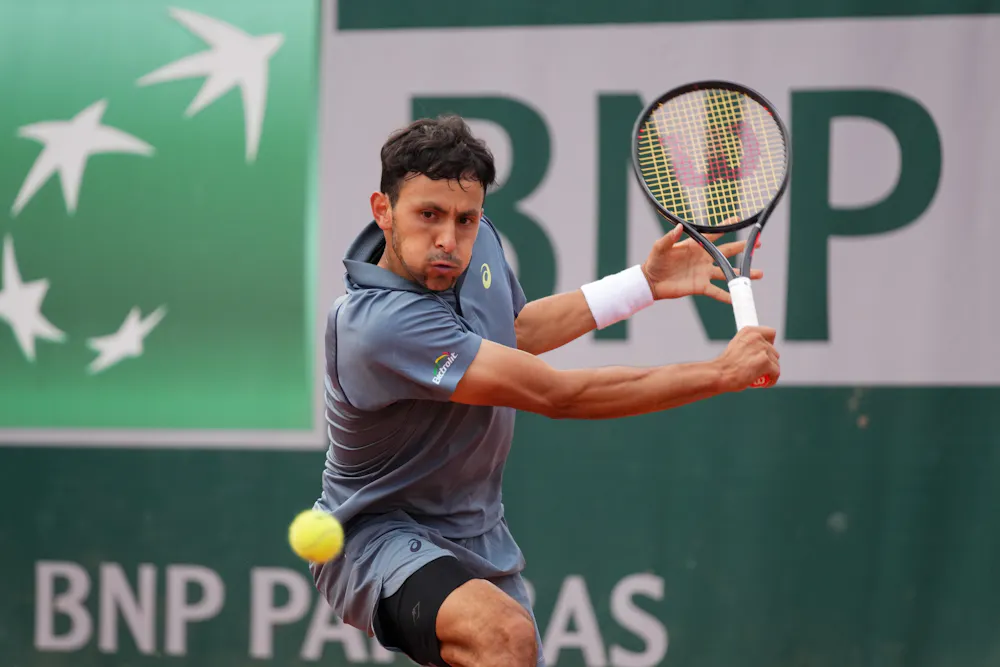
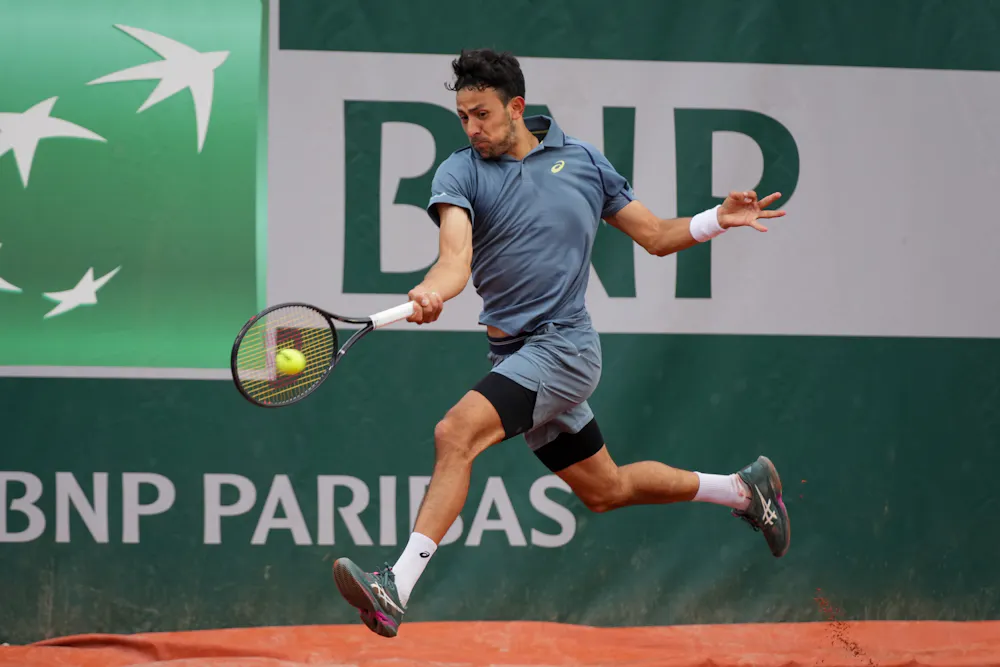
During his battle with Yunchaokete, the world No.97’s movement and physicality stood out. His emphasis on competing on the clay, where he has played 27 of his 37 matches this year, is clearly paying dividends.
“I feel like every week is a learning block or a way to improve just a little bit,” Nava told Rolandgarros.com. “If that's the movement on clay, I brought my fitness coach these last two weeks to really cement the order on my feet. I'm really trying to focus on it in all matches.”
Nava is quick to admit that he’s still an unfinished product in several other departments. His biggest challenge, he says, is in his head.
“It's not one of my strong points,” he said of his mental game. “But it's something that I'm working on and I'm super motivated to be able to work on it and change that. And I think today was a good extra step.”
Nava holds himself to a high standard. He was mentally tough against Bu on a chilly Parisian evening, rallying from 5-1 down in the opening set and also shaking off squandering a pair of match points when he served for it at 5-4 in the second set. His play in both tiebreaks was impeccable, as well.
It’s a step in the right direction, even if he had to fight against his own emotions to keep himself calm.
“Down 5-1. I kept my cool, I kept doing what I had to do,” he said. “Match points in the second, losing that, and then having to get back to it. I wanted to break absolutely everything, but I kept my cool. I try to laugh so I don't cry, but yeah, I'm working on it.”
Nava, who cites Ben Shelton as one of his better friends on tour, points to the great Roger Federer when he’s looking for inspiration for his mental game.
“I think Fed said it great,” he says with a grin. “He said, if you hit an ESPN shot, it's worth one point. And if you double fault, it's also worth one point, you know? You understand that you can do it better on the next point. I think that's my optimistic approach to it. If I miss an easy shot, it's okay. I can do it better next time.”
Like Shelton, Nava is a high energy player that likes to pump himself up during his matches. He runs hot, but he’s learning to keep his mind cool.
“I like playing with emotion, but then I try not to play emotional,” he said. “Especially on the negative side. When I'm positive, I like to yell, I like to get active, but negativity, it eats you up, and it takes a toll mentally, and I'm kind of tired of it.”
Staying positive and playing an unrelenting brand of clay court tennis that features a booming serve and an electric forehand makes Nava a rising threat on tour at the moment. He hopes to be more than a threat though, he wants to be a force.
“I mean, top 100 is great,” he said, “but I'm not even close to what I think I could achieve. And that gives me a lot of motivation to continue working, to continue pushing, and trying to just do everything better.
“My forehand can improve, my backhand can improve, my movement's getting better. My serve needs to be a little more consistent, and I definitely have to work on my returns, and then my mentality – I have to work on it all, to be honest, and I'm excited to do it.”